
Top Essential Oils for Dizziness and Nausea. Dizziness and nausea are common symptoms that can result from motion sickness, stress, migraines, digestive issues, pregnancy, or inner ear problems. While medical treatment may be necessary for persistent symptoms, many people turn to natural remedies for temporary relief. Among the most popular options are essential oils, which have been used for centuries to promote wellness and support the body’s natural balance.
Essential oils are highly concentrated plant extracts known for their therapeutic properties. When used correctly, certain oils may help reduce feelings of nausea, calm the nervous system, and alleviate dizziness. In this guide, we’ll explore the top essential oils for dizziness and nausea and how to use them effectively.
________________________________________________________________________________________________________________________________________________________________________________________
A Quick Safety Note
Essential oils may help some people feel more comfortable by promoting relaxation or easing feelings of nausea, but they are not a treatment or cure for vertigo. Vertigo can have many different causes, including inner-ear disorders, migraine, medication side effects, blood pressure changes, and neurological conditions.
If your dizziness is sudden, severe, keeps returning, or is accompanied by hearing changes, difficulty walking, weakness, trouble speaking, chest pain, or a severe headache, seek medical care promptly.
Essential oils should be used as a complementary wellness practice—not as a substitute for professional medical evaluation or treatment. How Essential Oils May Help with Dizziness and Nausea
Aromatherapy works by stimulating the olfactory system, which is closely connected to brain regions that regulate emotions, stress responses, and physical sensations. Certain essential oils contain compounds that may help soothe the digestive system, promote relaxation, and reduce symptoms such as dizziness and nausea.
Although scientific research is ongoing, many users report noticeable improvements when incorporating essential oils into their wellness routines.
_________________________________________________________________________________________________________________________________________________________________________________________________________________
1. Essential Oils for Dizziness and Nausea: Peppermint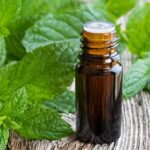
Peppermint essential oil is one of the most widely recommended oils for nausea relief. Its refreshing aroma contains menthol, which may help calm the stomach and reduce feelings of queasiness.
Benefits:
- Helps ease nausea and vomiting
- Supports digestive comfort
- Provides a cooling sensation that may reduce dizziness
- Can help alleviate motion sickness symptoms
How to Use:
Add a few drops to a diffuser, inhale directly from the bottle, or dilute with a carrier oil and apply to the temples or back of the neck.
Recommended Oil Product:
Aromatherapy Diffuser for Essential Oils
2. Essential Oils for Dizziness and Nausea: Ginger
Ginger has long been recognized as a natural remedy for digestive discomfort. Ginger essential oil offers many of the same benefits in concentrated form.
Benefits:
- Helps reduce nausea associated with travel and pregnancy
- Supports healthy digestion
- May decrease dizziness linked to digestive upset
- Provides anti-inflammatory properties
How to Use:
Diffuse the oil, inhale from a tissue, or dilute and massage onto the abdomen.
Recommended Oil Product:
Aromatherapy Diffuser for Essential Oils
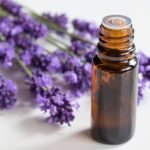
3. Essential Oils for Dizziness and Nausea: Lavender
Benefits:
- Promotes relaxation
- Helps reduce anxiety-related nausea
- Supports better sleep
- May help relieve migraine-related dizziness
How to Use:
Diffuse before bedtime, inhale deeply during stressful situations, or add a few drops to a warm bath.
4. Essential Oils for Dizziness and Nausea: Lemon 
The fresh citrus scent of lemon essential oil is often used to combat nausea and improve mood. It is particularly popular among individuals experiencing morning sickness.
Benefits:
- Helps reduce nausea symptoms
- Supports mental alertness
- Provides an uplifting aroma
- May help decrease feelings of lightheadedness
How to Use:
Diffuse in your home, inhale directly from the bottle, or add a few drops to a personal inhaler.
Recommended Oil Product:
Aromatherapy Diffuser for Essential Oils
5. Spearmint Essential Oil For Dizziness
Spearmint offers similar digestive benefits to peppermint but with a milder aroma. It is often preferred by those who find peppermint too intense.
Benefits:
- Helps soothe upset stomachs
- Supports digestive health
- May reduce motion sickness symptoms
- Provides a refreshing and calming effect
How to Use:
Use in a diffuser, inhale through steam inhalation, or dilute and apply topically.
Recommended Essential Oil Product:
Aromatherapy Diffuser for Essential Oils
6. Basil Essential Oil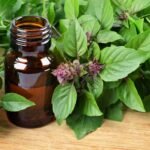
Basil essential oil contains compounds that may help ease nervous tension and digestive discomfort, making it useful for some cases of dizziness and nausea.
Benefits:
- Supports mental clarity
- Helps calm nervous-related stomach upset
- May reduce feelings of fatigue and lightheadedness
- Promotes relaxation
How to Use:
Diffuse throughout the day or mix with a carrier oil for topical application.
Recommended Basil Oil Product:
Aromatherapy Diffuser for Essential Oils
7. Cardamom Essential Oil
Cardamom is a lesser-known but highly valued essential oil for digestive support and nausea relief.
Benefits:
- Helps soothe the digestive tract
- Supports healthy stomach function
- May ease nausea and bloating
- Offers a warm, comforting aroma
________________________________________________________________________________________________________________________________________________________________________________________________________________
Choosing a Quality Essential Oil
When shopping for essential oils, focus on quality rather than marketing claims. Look for products that:
- List the botanical (Latin) name of the plant.
- Are 100% pure essential oils without added synthetic fragrances.
- Are packaged in dark glass bottles to help protect the oil from light.
- Clearly state the country of origin or sourcing information.
- Provide batch testing or third-party quality information when available.
A high-quality essential oil is more important than an expensive one. Choose products from reputable brands with transparent labeling and clear ingredient lists.
________________________________________________________________________________________________________________________________________________________________________________________________________________
How to Use:
Diffuse or inhale directly when symptoms occur.
Recommended Cardamom & Essential Oil Product:
Aromatherapy Diffuser for Essential Oils
You may also consider using a nasal stick Vapor for comfort:
BoomBoom Nasal Stick | Vapor Flow Technology
Best Practices for Using Essential Oils Safely
While essential oils can be beneficial, safety should always come first.
Follow These Guidelines:
- Always dilute essential oils before applying them to the skin.
- Perform a patch test before topical use.
- Avoid contact with eyes and sensitive areas.
- Consult a healthcare professional if you are pregnant, nursing, or have a medical condition.
- Stop use immediately if irritation occurs.
_________________________________________________________________________________________________________________________________________________________________________________________________________________
How to Use Essential Oils Safely
If you choose to use essential oils, keep these safety tips in mind:
- Never ingest essential oils unless specifically directed by a qualified healthcare professional.
- Always dilute essential oils before applying them to the skin.
- Perform a patch test before first use to check for skin irritation.
- Avoid contact with your eyes, ears, and other sensitive areas.
- Use a diffuser in a well-ventilated room and discontinue use if symptoms worsen.
- If you are pregnant, breastfeeding, have asthma, epilepsy, or other medical conditions, consult your healthcare provider before using essential oils.
- Keep essential oils out of reach of children and pets.
_________________________________________________________________________________________________________________________________________________________________________________________________________________
Additional Natural Remedies for Dizziness and Nausea
Essential oils work best when combined with healthy habits. Consider these complementary strategies:
- Stay hydrated throughout the day.
- Eat small, frequent meals.
- Avoid strong odors that may trigger nausea.
- Practice deep breathing exercises.
- Get adequate rest and sleep.
- Limit sudden movements if dizziness is present.
What to Read Next:
How to Stop Vertigo Immediately at Home | Step-by-Step (for readers looking for immediate actions)
Can Stress Cause Vertigo? (What You Need to Know) (for broader symptom management)
Natural Remedies for Dizziness That Actually Work (because lavender is often associated with relaxation, making this a natural connection)
When to Seek Medical Attention
Occasional dizziness and nausea are usually not serious. However, seek medical care if symptoms are severe, persistent, or accompanied by chest pain, difficulty speaking, fainting, vision changes, or severe headaches.
Conclusion
Essential oils can be a valuable natural tool for managing dizziness and nausea. Peppermint, ginger, lavender, lemon, spearmint, basil, and cardamom essential oils are among the most popular options due to their calming, digestive-supporting, and nausea-relieving properties. While they are not a substitute for medical treatment, they may offer gentle relief when used properly as part of a comprehensive wellness routine.
By choosing high-quality essential oils and following safe usage practices, you can enjoy a natural approach to reducing discomfort and supporting overall well-being.
“Explore all vertigo and dizziness guides:” Vertigo and Dizziness | Causes, Triggers, Relief, and Prevention


2 Responses