
Top 10 Triggers That Cause Vertigo (Avoid These!) Vertigo can feel like the room is spinning, tilting, or moving even when you’re perfectly still. For many people, attacks seem random — but in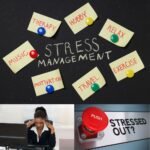 reality, certain triggers often make vertigo worse.
If you’ve been dealing with dizziness, identifying your triggers is one of the fastest ways to reduce episodes naturally.
Here are the top vertigo triggers you should watch out for.
Feeling dizzy right now?
If you are having spinning, sit or lie down somewhere safe and avoid sudden head movements.
How to Stop Vertigo immediately at Home >Read: How to Stop Vertigo Immediately at Home →
“Not sure which type of vertigo information you need? Visit our Vertigo and Dizziness Hub for causes, relief, and prevention guides.”
1. One Of The Top 10 Triggers That Cause Vertigo: Sudden Head Movements
Quick movements are among the most common triggers of vertigo.
This includes:
- Rolling over in bed
- Looking up suddenly
- Bending down quickly
- Turning your head too fast
Best Pillow for Vertigo: How the Right Support Can Reduce Dizziness and Improve Sleep
These movements can disturb the inner ear, especially in people with BPPV (Benign Paroxysmal Positional Vertigo).
What to Do
Move slowly and deliberately, especially when getting out of bed.
2. Top 10 Triggers That Cause Vertigo: Dehydration
Even mild dehydration can affect blood flow and inner ear balance.
Signs you may be dehydrated:
- Dry mouth
- Fatigue
- Headaches
- Lightheadedness
What to Do
Drink water consistently throughout the day instead of waiting until you feel thirsty.
Related article: Best Vitamins for Vertigo: Natural Relief Guide
3. Stress and Anxiety
Stress can tighten muscles, affect circulation, and overstimulate the nervous system — all of which may worsen dizziness.
Many people notice vertigo flare-ups during:
- High-stress periods
- Panic attacks
- Lack of sleep
- Emotional exhaustion
What to Do
Deep breathing, walking, meditation, and better sleep habits may help reduce episodes.
4. Poor Sleep
Sleep deprivation can disrupt brain function and balance signals.
Vertigo sufferers often report worsening symptoms after:
- Sleeping poorly
- Staying up late
- Interrupted sleep
What to Do
Aim for consistent sleep and avoid screens before bed.
5. Too Much Caffeine
Coffee, energy drinks, and excessive caffeine may overstimulate the nervous system and affect inner ear fluid balance.
Common Sources
- Coffee
- Energy drinks
- Pre-workout supplements
- Soda
What to Do
Try reducing caffeine gradually and monitor symptoms.
6. High Sodium Foods
Too much salt may contribute to fluid imbalance in the inner ear.
This is especially important for people with Ménière’s disease.
Foods to Watch
- Fast food
- Processed snacks
- Frozen meals
- Canned soups
What to Do
Focus on fresh foods and lower sodium intake where possible.
7. Bright Screens and Visual Overload
Phones, computers, and bright lights can worsen dizziness for some people.
Visual overstimulation may confuse the brain’s balance system.
Symptoms May Include
- Eye strain
- Head pressure
- Motion sensitivity
- Nausea
What to Do
Take regular screen breaks and lower brightness settings.
Related article: Top Essential Oils for Dizziness and Nausea
8. Inner Ear Infections
The inner ear controls balance, so infections can easily trigger vertigo.
Common symptoms include:
- Ear pressure
- Ringing in the ears
- Nausea
- Sudden dizziness
What to Do
Seek medical advice if symptoms are severe or persistent.
Related article: Inner Ear Problems That Cause Vertigo (Explained)
9. Skipping Meals or Low Blood Sugar
Low blood sugar can cause dizziness, shakiness, and weakness.
This often happens when:
- Skipping breakfast
- Dieting aggressively
- Going too long without eating
What to Do
Eat balanced meals regularly with protein and healthy fats.
10. Certain Medications
Some medications list dizziness or vertigo as side effects.
These may include:
- Blood pressure medications
- Sedatives
- Antidepressants
- Certain antibiotics
What to Do
Never stop medication suddenly, but talk with your healthcare provider if symptoms begin after starting a new prescription.
How to Reduce Vertigo Naturally
While vertigo can have many causes, avoiding triggers is one of the best first steps toward relief.
Start by tracking:
- Foods
- Sleep
- Stress levels
- Screen time
- Sudden movements
Small lifestyle changes can make a surprisingly big difference over time.
Related article: Natural Remedies for Dizziness That Actually Work
Final Thoughts
Vertigo often feels unpredictable, but many episodes are connected to everyday habits and hidden triggers.
The more you understand what causes your dizziness, the easier it becomes to reduce flare-ups and regain confidence in daily life.
What to Read Next
Need fast relief?
🌀 How to Stop Vertigo Immediately at Home | Step-by-Step →
Does vertigo get worse when you lie down?
Inner Ear Problems That Cause Vertigo →
Want long-term support?
Best Vitamins for Vertigo: Natural Relief Guide →
The Epley Maneuver | Step-by-Step Guide for BPPV Relief at Home
“Explore all vertigo and dizziness guides:” Vertigo and Dizziness | Causes, Triggers, Relief, and Prevention


4 Responses