
The Epley Maneuver: Step-by-Step Guide for BPPV Relief at Home
If you experience brief episodes of vertigo when rolling over in bed, looking up, or bending down, you may have Benign Paroxysmal Positional Vertigo (BPPV). The Epley maneuver is one of the most effective treatments for this common inner ear condition because it helps guide displaced calcium crystals back to proper position.
In this guide, you’ll learn:
- What the Epley maneuver is
- How it works
- Step-by-step instructions
- Who should and shouldn’t try it
- When to seek medical care
_______________________________________________________________________________________________________________________________________________________________________________________________________________
What Is the Epley Maneuver?

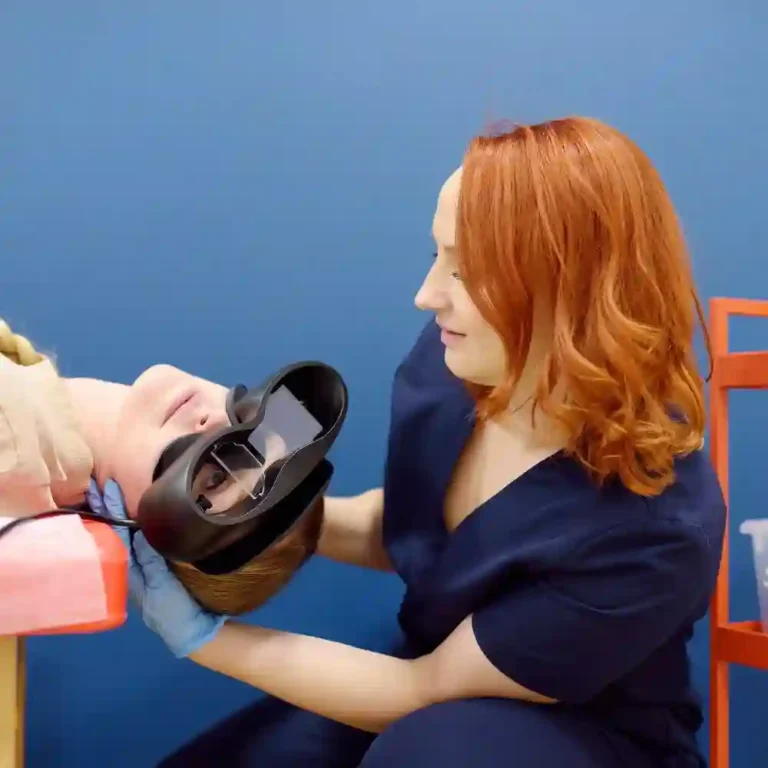
The Epley maneuver is a series of head and body movements designed to treat Benign Paroxysmal Positional Vertigo (BPPV).
BPPV occurs when tiny calcium carbonate crystals (called otoconia) become dislodged from their normal location in the inner ear and move into one of the semicircular canals. When you change your head position, these misplaced crystals send incorrect signals to your brain, creating the sensation that the room is spinning.
The Epley maneuver uses gravity to guide these crystals back to the utricle, where they no longer trigger vertigo.
Suggested Next Article Read:
Top 10 Triggers That Cause Vertigo (Avoid These!)
_______________________________________________________________________________________________________________________________________________________________________________________________________________
Signs Your Vertigo May Be BPPV

The Epley maneuver works specifically for BPPV—not every type of dizziness or vertigo.
Common symptoms include:
- Sudden spinning sensations
- Vertigo when lying down
- Dizziness when rolling over in bed
- Symptoms when looking up
- Vertigo when bending forward
- Episodes lasting less than one minute
- Nausea during attacks
- Feeling normal between episodes
If these symptoms sound familiar, you may benefit from evaluation by a healthcare professional to confirm BPPV.
Vertigo When Lying Down: Causes, Relief & Sleep Tips
_______________________________________________________________________________________________________________________________________________________________________________________________________________
How to Perform the Epley Maneuver at Home
*Important: These instructions are for informational purposes only. If you’ve never been diagnosed with BPPV, consult a healthcare provider before attempting the maneuver.
Step 1
Sit upright on your bed.
Turn your head 45 degrees toward the affected ear.
_______________________________________________________________________________________________________________________________________________________________________________________________________________
Step 2
Keeping your head turned, quickly lie back so your shoulders rest on the pillow and your head tilts slightly backward.
Hold this position for 30–60 seconds, or until the spinning stops.
_______________________________________________________________________________________________________________________________________________________________________________________________________________
Step 3
Without lifting your head, slowly turn it 90 degrees toward the opposite side.
Hold another 30–60 seconds.
_______________________________________________________________________________________________________________________________________________________________________________________________________________
Step 4
Roll your entire body onto your side in the direction your head is now facing.
Your nose should point toward the floor.
Hold for 30–60 seconds.
_______________________________________________________________________________________________________________________________________________________________________________________________________________
Step 5
Slowly sit up while keeping your chin slightly tucked.
Remain seated for several minutes before standing.
_______________________________________________________________________________________________________________________________________________________________________________________________________________
Tips for Success
- Move slowly between positions.
- Perform the maneuver on a bed.
- Have someone nearby the first time if possible.
- Stop if symptoms become severe.
- Follow any instructions provided by your healthcare professional.
Some people feel immediate relief, while others may need to repeat the maneuver under medical guidance.
_______________________________________________________________________________________________________________________________________________________________________________________________________________
Who Should Not Perform the Epley Maneuver?

Avoid trying the Epley maneuver without medical advice if you have:
- Neck injuries
- Severe arthritis of the neck
- Recent neck or back surgery
- Recent stroke
- Detached retina
- Severe vascular disease
- Difficulty moving your neck
- Unexplained dizziness
- Fainting episodes
Pregnant individuals or anyone with significant medical conditions should also consult a healthcare provider before attempting it.
_______________________________________________________________________________________________________________________________________________________________________________________________________________
Does the Epley Maneuver Really Work?
Research has shown the Epley maneuver is highly effective for treating posterior canal BPPV, the most common form of positional vertigo. Many people experience significant improvement after one or two treatments, though some require repeat maneuvers if symptoms return.
Because BPPV can recur, learning the maneuver under the guidance of a healthcare professional can help you manage future episodes safely.
Vestibular Exercises for Vertigo: 3 Beginner Moves to Improve Balance
_______________________________________________________________________________________________________________________________________________________________________________________________________________
What If the Epley Maneuver Doesn’t Help?
If your dizziness continues, you may have another condition such as:
- Vestibular neuritis
- Ménière’s disease
- Vestibular migraine
- Low blood pressure
- Medication side effects
- Dehydration
- Anxiety-related dizziness
A healthcare professional should always evaluate persistent or worsening symptoms.
_______________________________________________________________________________________________________________________________________________________________________________________________________________
When to Seek Emergency Care

Seek immediate medical attention if dizziness occurs with:
- Weakness or numbness
- Difficulty speaking
- Double vision
- Severe headache
- Chest pain
- Loss of consciousness
- Difficulty walking
- New hearing loss
These symptoms may indicate a medical emergency rather than BPPV.
_______________________________________________________________________________________________________________________________________________________________________________________________________________
Frequently Asked Questions
How long does the Epley maneuver take?
The maneuver usually takes about 5 to 10 minutes to complete.
_______________________________________________________________________________________________________________________________________________________________________________________________________________
Can I do the Epley maneuver every day?
Some healthcare providers recommend repeating it if symptoms persist, but recurrent vertigo should be evaluated by a healthcare professional.
_______________________________________________________________________________________________________________________________________________________________________________________________________________
Does the Epley maneuver work immediately?
Many people notice improvement after one session, while others may need several treatments.
_______________________________________________________________________________________________________________________________________________________________________________________________________________
Can the Epley maneuver make vertigo worse?
It’s common to feel brief dizziness during the maneuver because the crystals are moving. Symptoms usually settle within minutes.
_______________________________________________________________________________________________________________________________________________________________________________________________________________
Can BPPV come back?
Yes. BPPV can recur months or years later, even after successful treatment.
_______________________________________________________________________________________________________________________________________________________________________________________________________________
Final Thoughts
The Epley maneuver is a simple, non-invasive treatment that can provide significant relief for people with BPPV. When performed correctly and for the right condition, it helps reposition displaced inner ear crystals and reduce episodes of positional vertigo.
If you’re unsure whether your symptoms are caused by BPPV, seek a proper diagnosis before attempting the maneuver. A healthcare professional can confirm the cause of your vertigo and recommend the most appropriate treatment.
Suggested Next Read:
Vertigo and Dizziness | Causes, Triggers, Relief, and Prevention

One Response